|

|
|
|
|
|
|
|
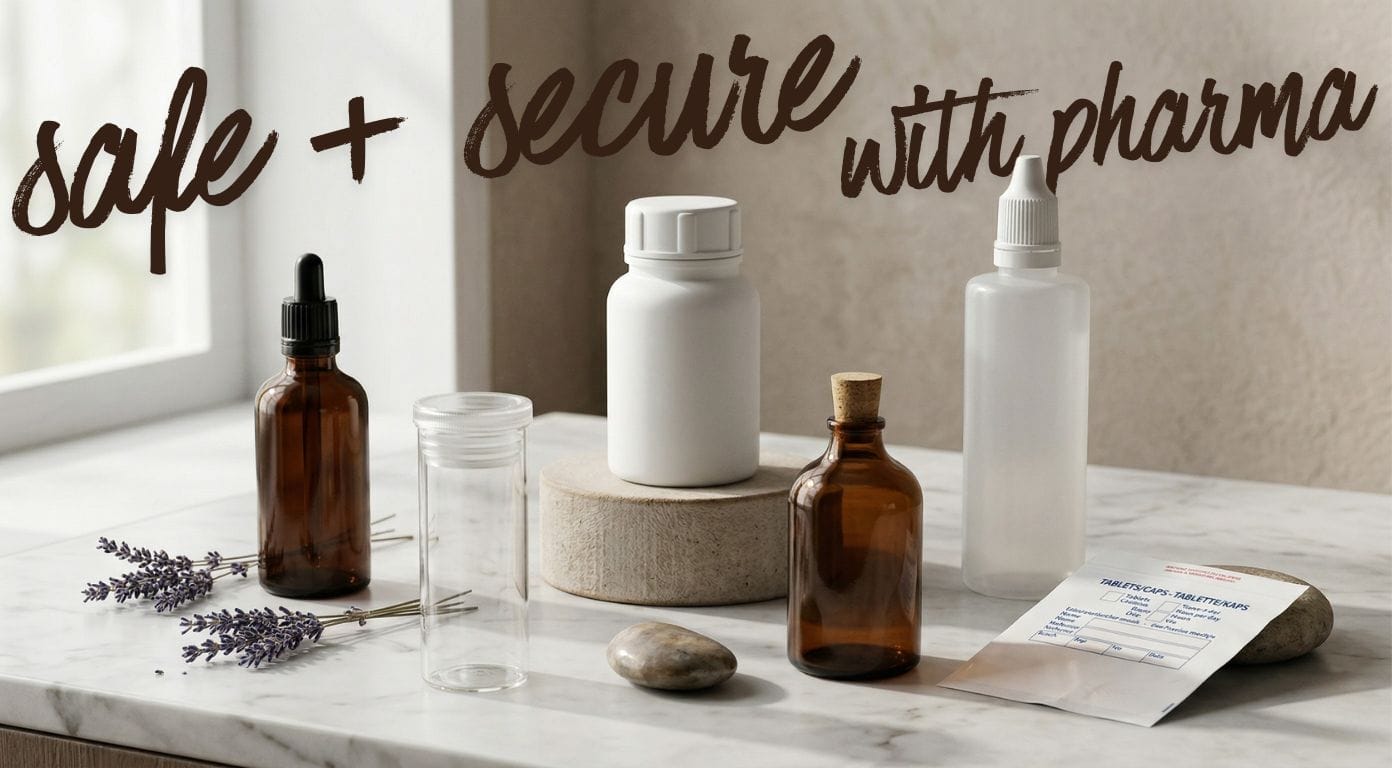
From production to patient, every detail matters. That’s why our pharmaceutical packaging solutions are built to be secure, reliable, and intelligently designed for today’s challenges.
|
|
|
|
|
|
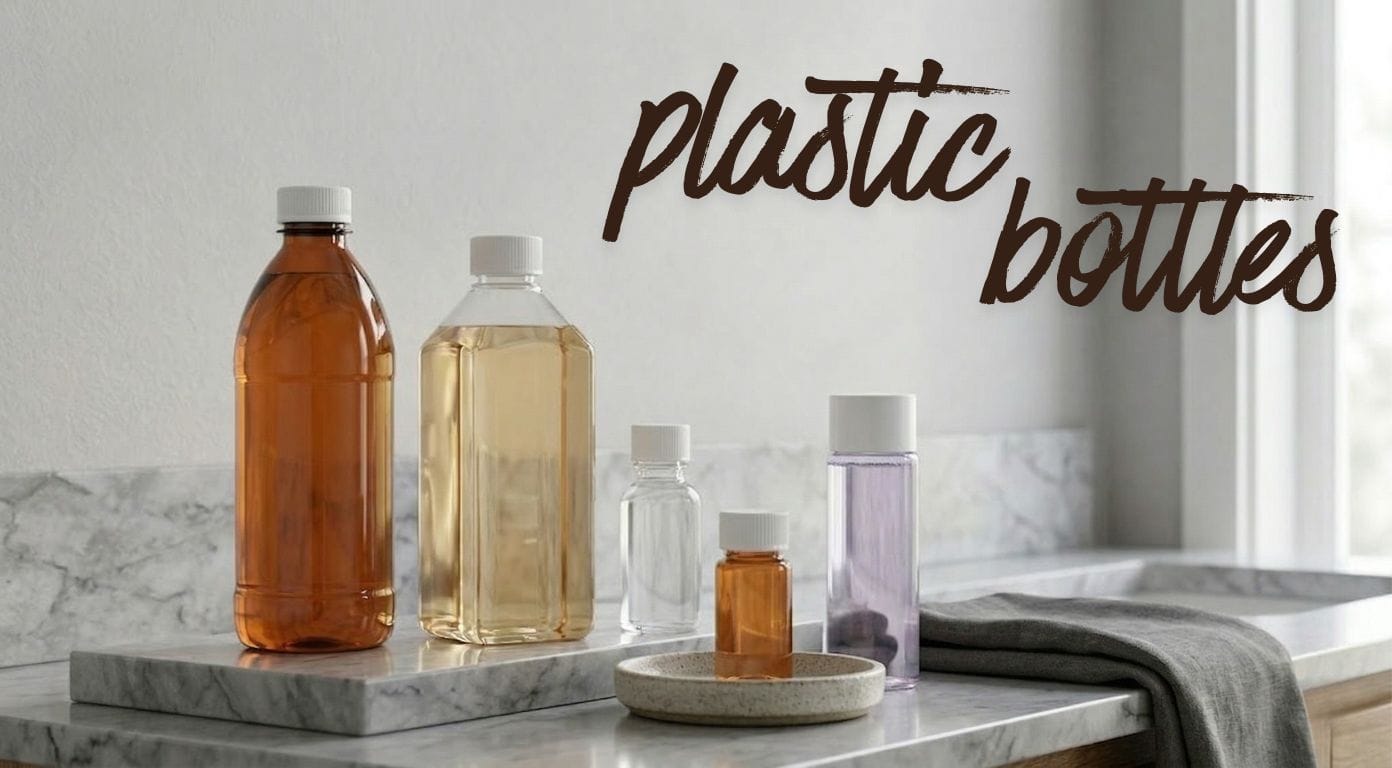
In pharmaceutical packaging, plastic bottles made from PET and HDPE provide a dependable balance of safety, durability, and product protection. PET is most commonly used to store liquids (syrups, tonics, and some oral solutions), while HDPE is used to store tablets, capsules, and powders.
|
|
|
|
|
|
|
|
|
|
|
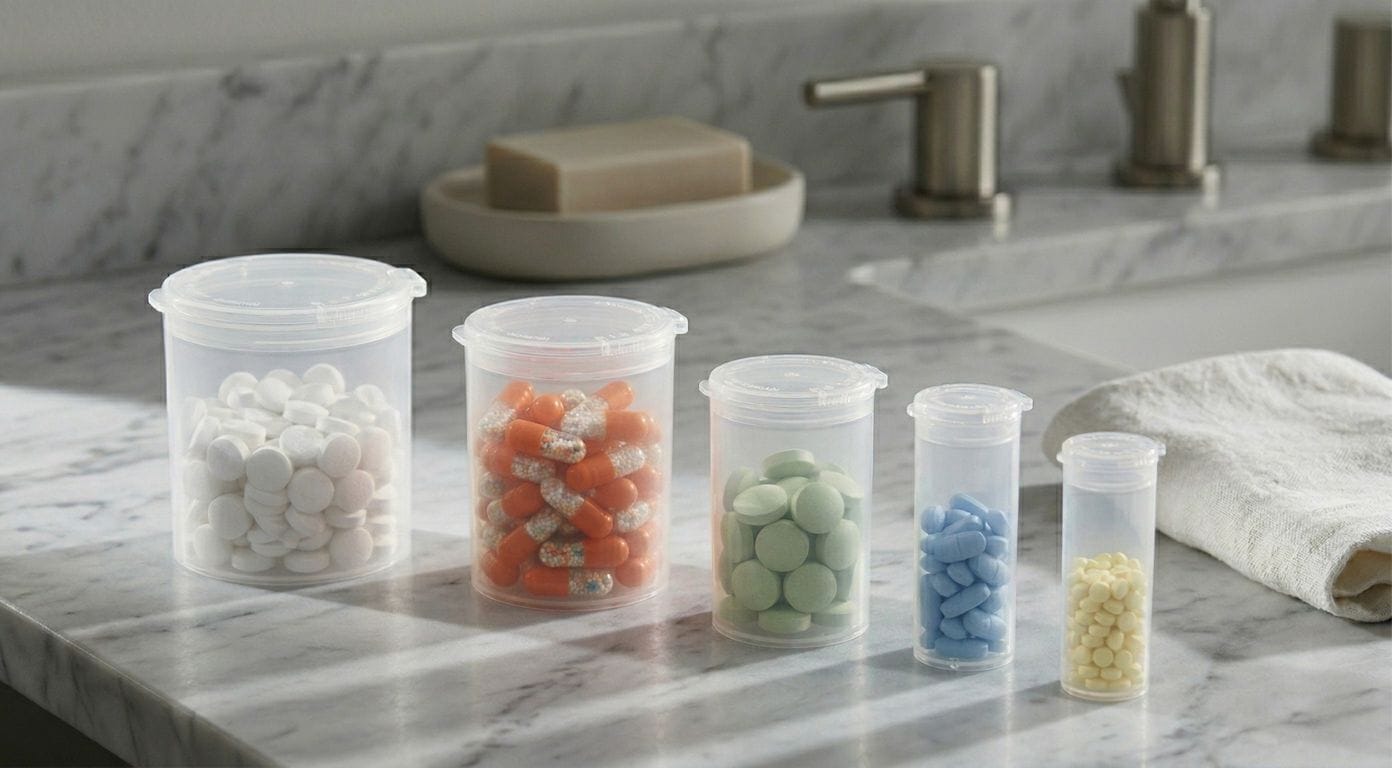
Small, durable containers with an attached flip-top lid, designed for secure storage of tablets or capsules.
|
|
|
|
|
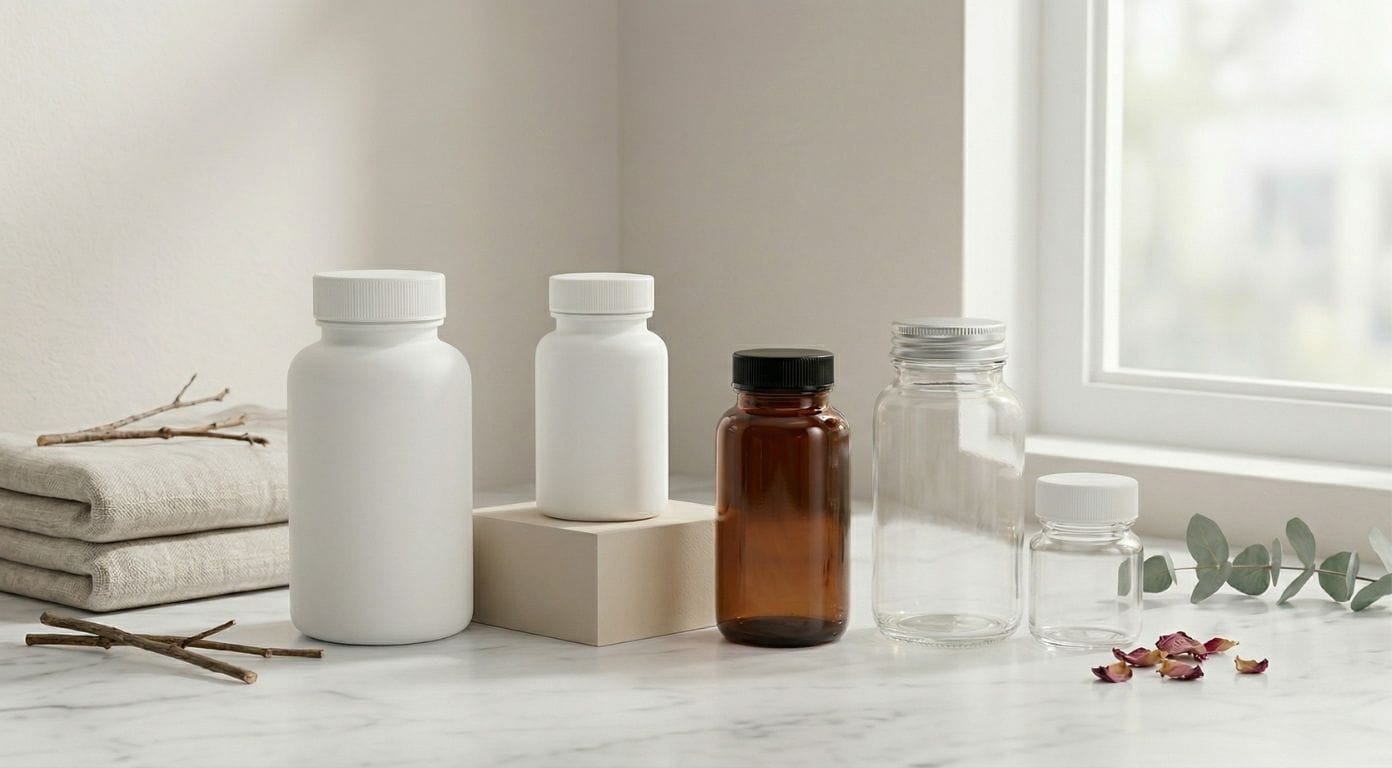
Designed to dispense tablets safely, these bottles are pharmaceutical-grade containers.
|
|
|
|
|
|
|
|
|
|
|
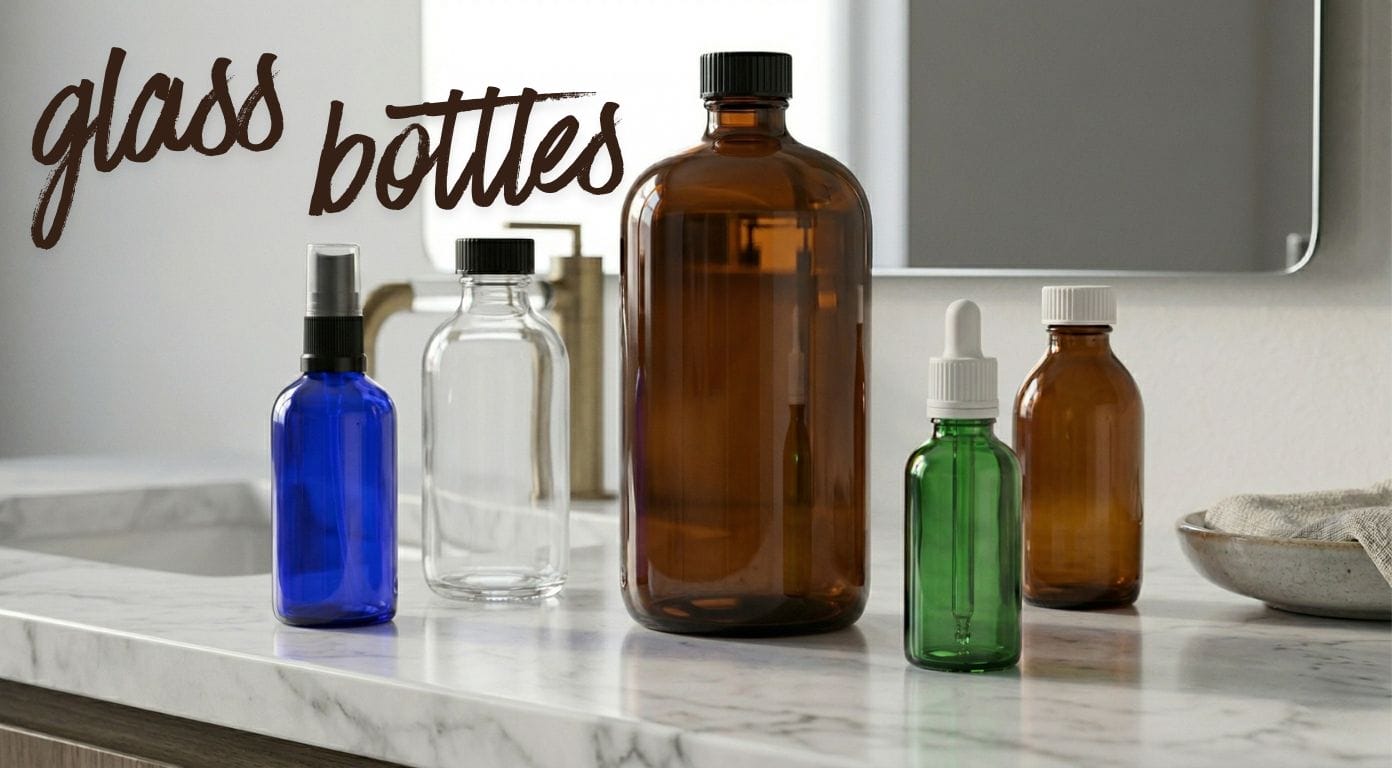
Glass bottles are widely used in pharmaceutical packaging, with clear glass offering high product visibility and purity, while amber glass provides UV protection to preserve light-sensitive medications.
|
|
|
|
|
|
|
|
|
|
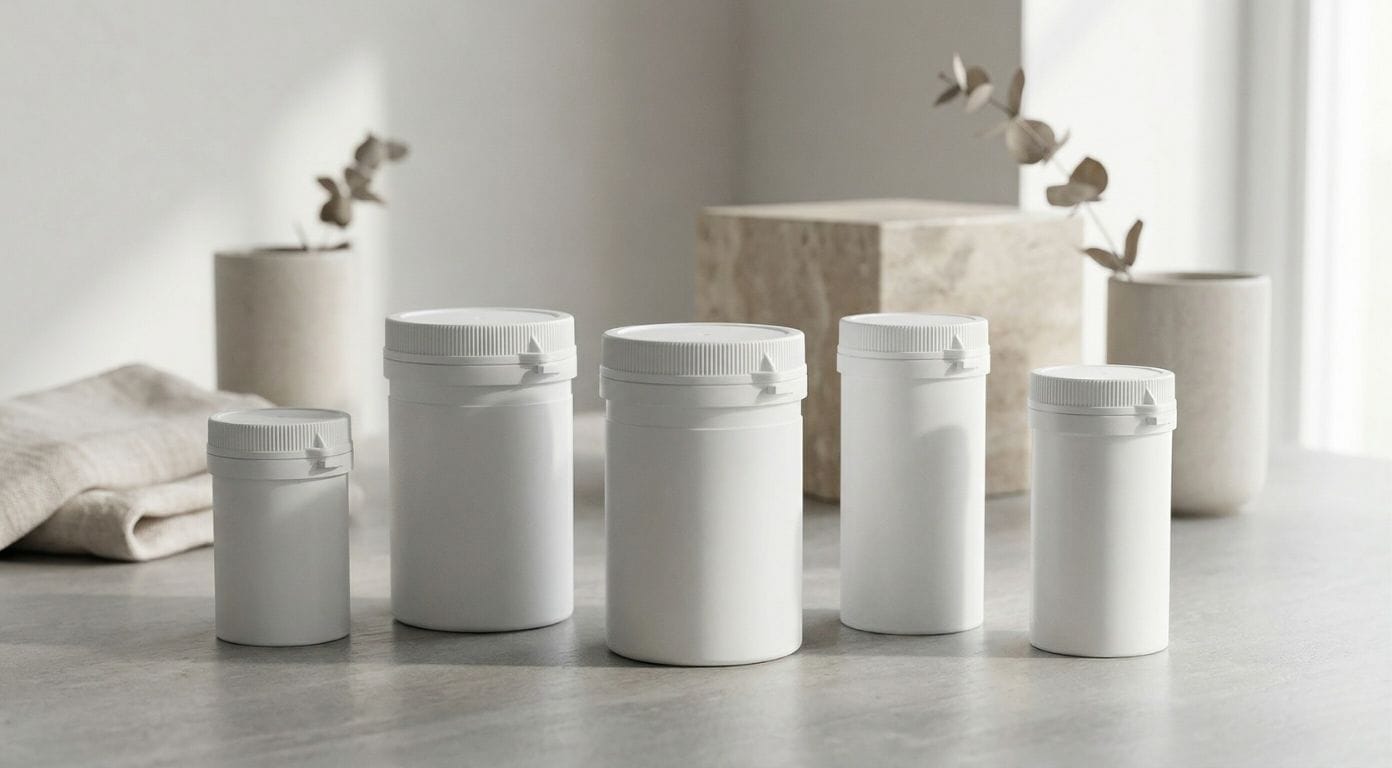
Providing a reliable, tamper-evident packaging solution that enhances product security.
|
|
|
|
|
|
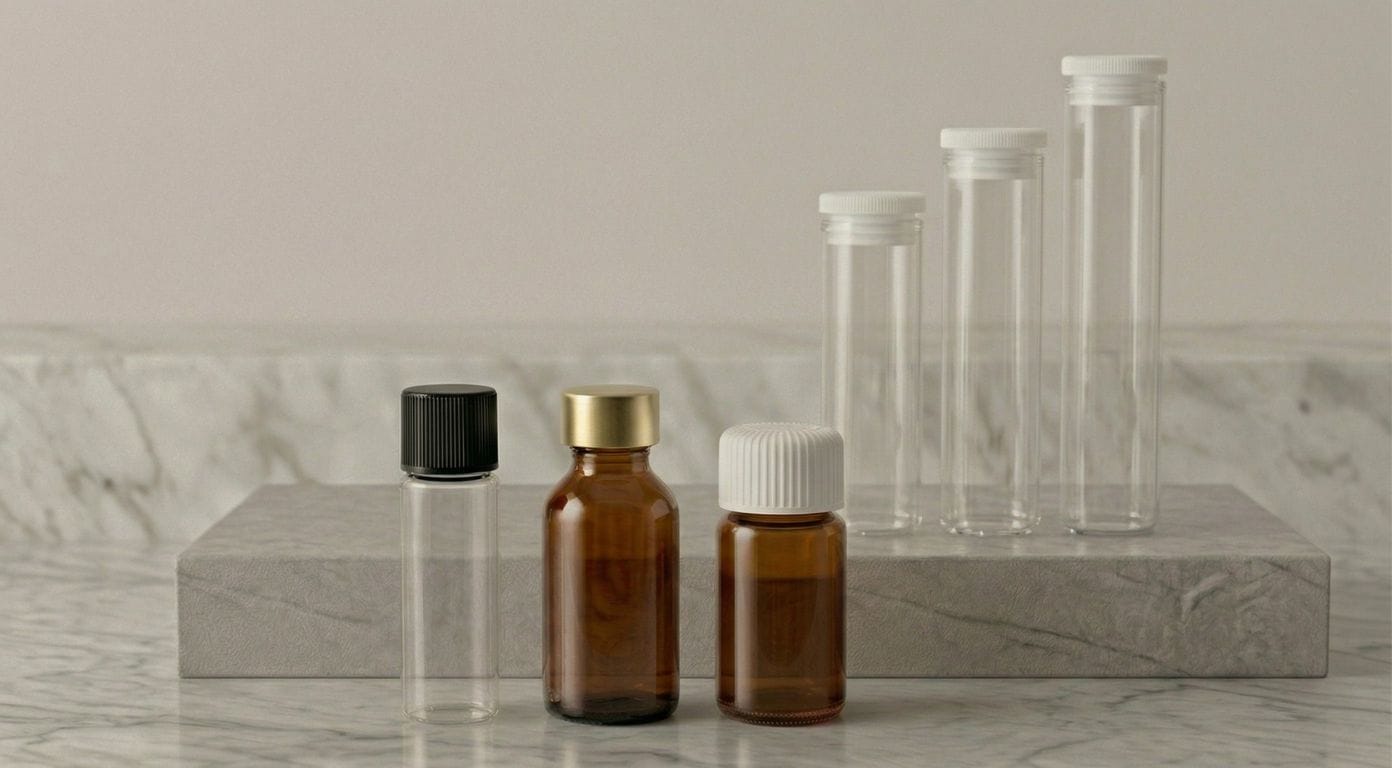
Glass and plastic vials are compact, sterile containers designed to store liquid or powder securely.
|
|
|
|
|
|
|
|
|
|
|
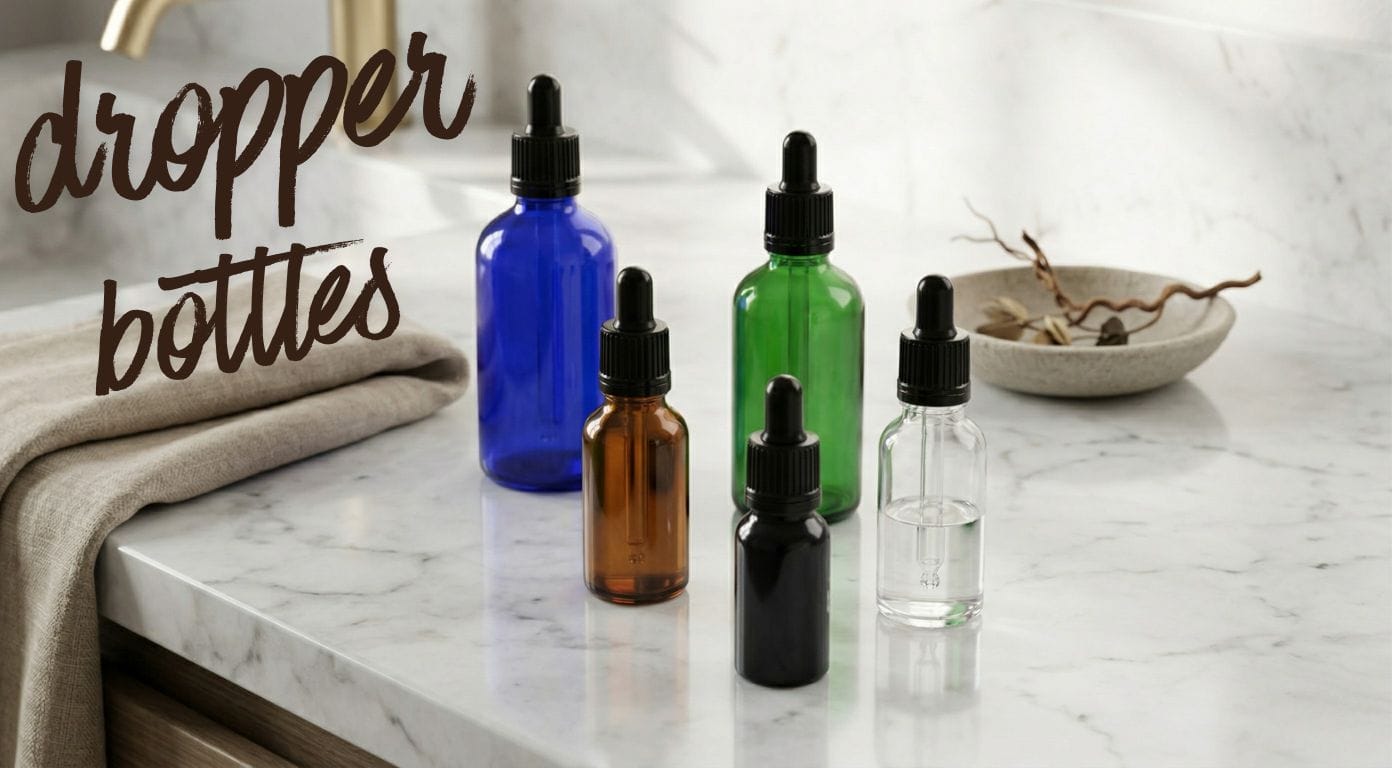
Dropper bottles are widely used in pharmaceutical applications for accurate, controlled dispensing of liquid formulations. Glass dropper bottles offer excellent chemical resistance, while plastic provides durability and lightweight handling.
|
|
|
|
|
|
|
|
|
GOT QUESTIONS?
|
|
|
|
|